





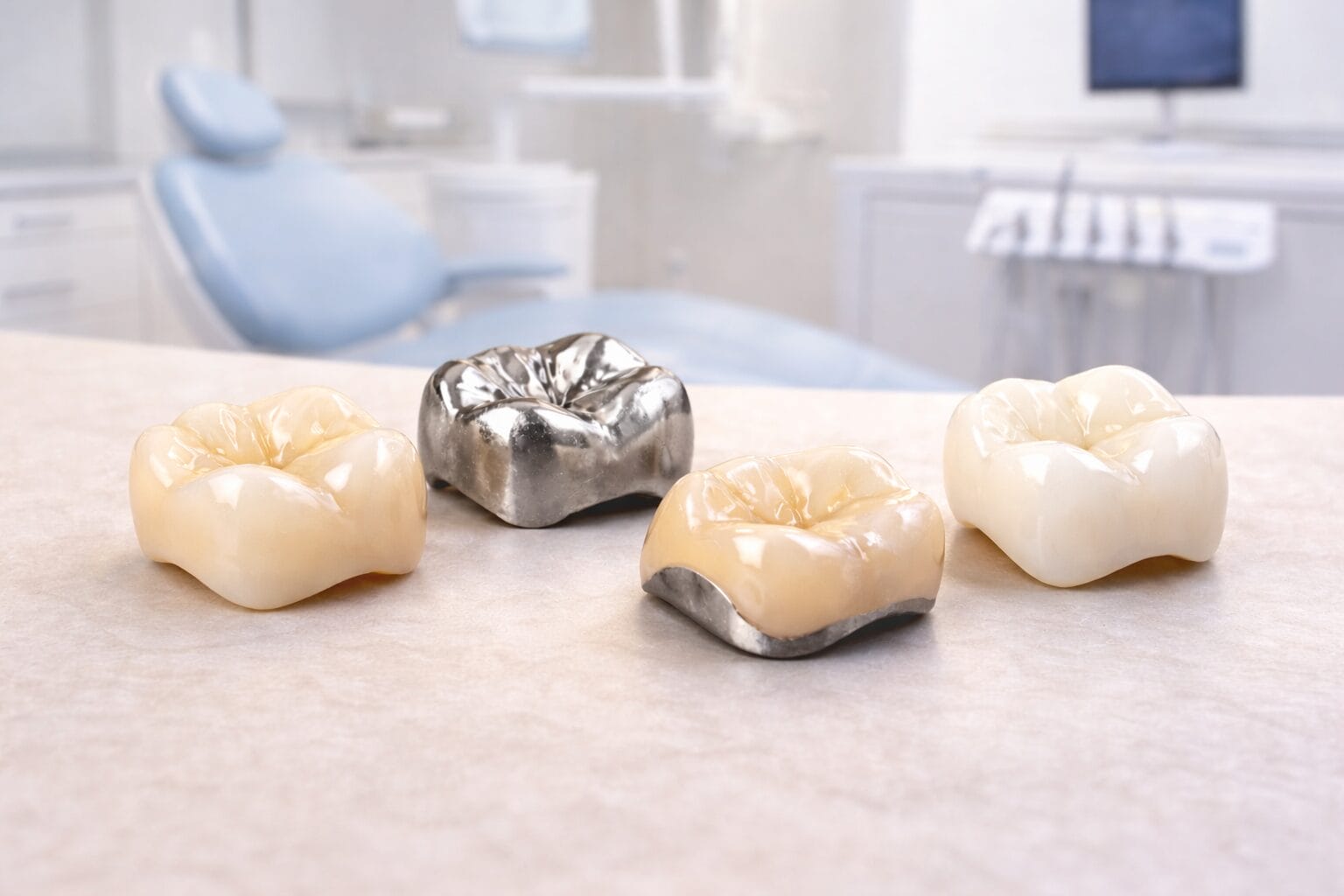
Choosing the right dental crown depends on several clinical factors, including the location of the tooth, bite strength, and the amount of remaining natural tooth structure. Some materials, such as modern ceramic options (including zirconia), are often selected for their natural appearance in highly visible areas. Others, such as porcelain-fused-to-metal or gold alloy crowns, are traditionally used where higher chewing forces require additional durability. A clinical assessment is essential to determine the most appropriate material for long-term function and oral health.
“It is completely normal to feel unsure when you are first told you need a crown. There is no ‘one-size-fits-all’ solution in dentistry. The material we recommend is guided by where the tooth sits and the specific forces it needs to withstand during everyday function,” says Dr Deepthi Alapati from the No Gaps Dental Cherrybrook clinic.
If you are new to this restorative dental treatment, you may find it helpful to read our guide on what a dental crown is and how it works first. For personalised advice, book an appointment to speak with your dentist at No Gaps Dental to assess your tooth and discuss the most suitable options for your situation.
Why There Are Different Types of Dental Crowns
If you have been told you need a crown, it is natural to wonder why there are several materials available. The most appropriate option depends on clinical factors such as the position of the tooth, how much natural tooth structure remains, and the level of biting force it needs to withstand.
Teeth serve different functions within the mouth. Front teeth are primarily responsible for biting and contribute significantly to appearance. Back teeth, particularly molars, absorb much greater chewing and grinding forces. Because of these differences, crown materials are selected to balance aesthetics, strength, and long-term durability according to the demands placed on each tooth.
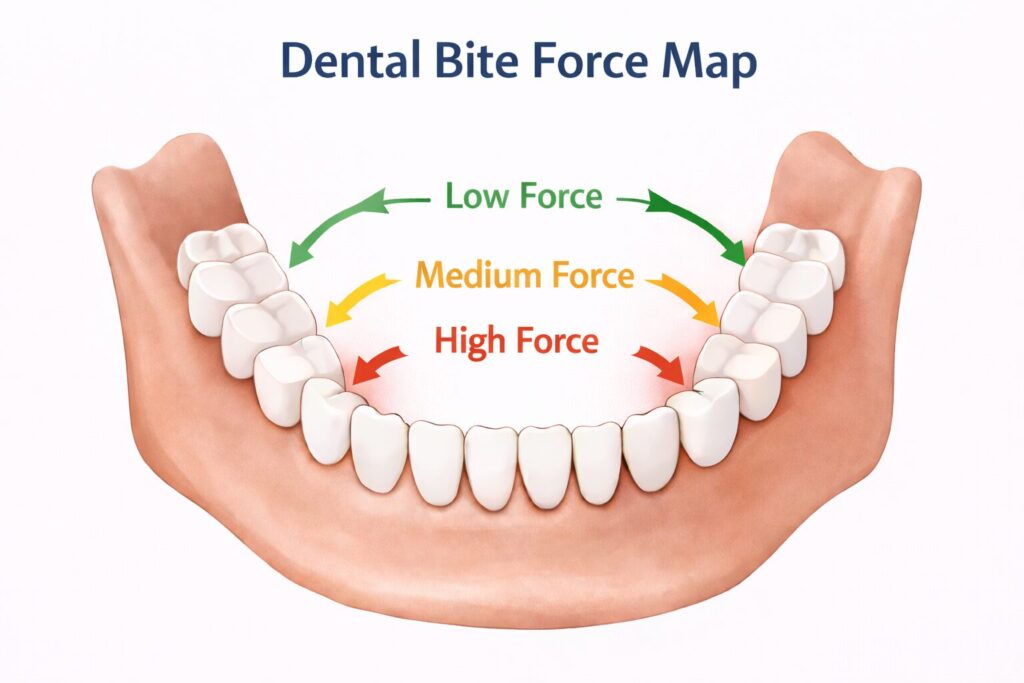
Different teeth handle different levels of pressure, which influences the crown material your dentist may recommend.
Which Crown Material Is Best for Front Teeth?
All-Ceramic (Porcelain-Based) Crowns
All-ceramic crowns are commonly used for teeth that are visible when smiling. These materials can be shade-matched to surrounding teeth and are metal-free.
Often considered for:
- Front teeth and other visible areas
Considerations:
Different ceramic materials vary in strength. In patients with heavy bite forces or teeth grinding (bruxism), certain ceramic options may be more appropriate than others. A clinical assessment is required to determine suitability.
Zirconia Crowns
Zirconia is a ceramic material used in restorative dentistry. It is commonly selected for its mechanical properties and may be used for both front and back teeth, depending on clinical circumstances.
Often considered for:
- Teeth requiring additional strength
- Both anterior and posterior teeth, where appropriate
Considerations:
Preparation requirements and material selection depend on factors such as remaining tooth structure, bite forces, and aesthetic expectations. Your dentist will recommend a material based on these factors.
Important Information
All dental procedures carry risks and benefits. The most suitable crown material can only be determined following a clinical examination. Individual outcomes vary.
Are Porcelain-Fused-to-Metal Crowns Still Used?
Porcelain-Fused-to-Metal (PFM)
PFM crowns consist of a metal substructure covered by a layer of tooth-coloured porcelain. The underlying metal provides structural support, while the outer porcelain layer resembles natural teeth.
Often considered for:
- Back teeth
- Situations where additional strength and support are required
Considerations:
In some cases, a darker margin may become visible near the gumline over time, particularly if gum recession occurs. Alternative all-ceramic materials are often considered in highly visible front teeth. The most appropriate material depends on individual clinical and aesthetic factors.
Gold and Metal Alloy Crowns
Gold and other dental metal alloy crowns have been used in restorative dentistry for many decades. Although not typically selected for highly visible front teeth due to their metallic appearance, they remain a well-established option in certain clinical situations.
Gold alloys are known for their durability, accurate marginal fit, and favourable wear characteristics. Their mechanical properties allow them to withstand significant biting forces, and they are generally compatible with opposing natural enamel, meaning they tend to cause less wear compared to some restorative materials.
“Gold alloy crowns may be considered in cases where managing higher bite forces is important,” says Dr Deepthi Alapati.
Often considered for:
- Back molars
- Patients with higher bite forces or a history of teeth grinding, where clinically appropriate
As with all restorative materials, suitability can only be determined following a clinical examination and assessment of individual factors.
Crown Materials Comparison Table
| Material | Commonly Used For | Aesthetic Appearance | Strength & Longevity | Key Considerations |
|---|---|---|---|---|
| All-Ceramic (Porcelain) | Front teeth and visible areas | Highly aesthetic, tooth-coloured | Good to very good (can chip under heavy load) | Excellent appearance; may be less suitable for heavy grinders |
| Zirconia | Front or back teeth | Tooth-coloured, slightly less translucent than porcelain | Very high strength | Very durable; newer translucent types improve aesthetics |
| PFM | Back teeth | Tooth-coloured with a metal substructure | High | Strong and long-lasting; possible dark line at the gum over time |
| Gold Alloy | Back teeth (molars) | Metallic (gold colour) | Very high; excellent wear resistance | Very durable; minimal wear to opposing teeth; not tooth-coloured |
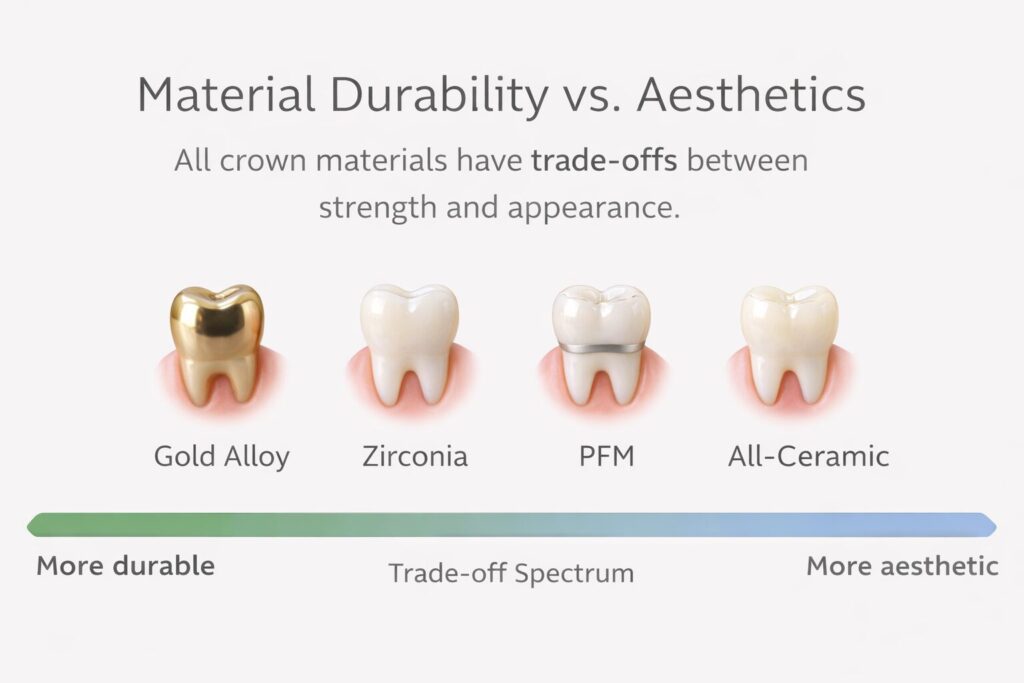
Choosing a crown is a balance between natural looks and long-lasting durability. Your dentist helps you find the perfect position on this spectrum.
CEREC Same-Day Crowns in One Appointment
At many No Gaps Dental locations, we offer the CEREC dental technology. This allows us to design, create, and fit a high-quality ceramic crown in just one appointment. This removes the need for temporary crowns or multiple visits. We cover CEREC crowns in more detail in an upcoming article in this series.
What About My Health Fund?
Many Australian health funds offer partial or full coverage for dental crowns, depending on your level of cover and waiting periods. The material you choose may affect your out-of-pocket cost.
At No Gaps Dental, we can check your eligibility and explain any gap before you proceed with treatment. Item numbers are confirmed by your dentist after assessment. Bring your membership card to your consultation, and we’ll help you understand your options.
Quick tip: We accept all Australian health funds, and our team can often quote over the phone if you have your fund details and item numbers from your dentist. Call us on (02) 8007 6727 or book online.
Dental Crowns: The Complete Series
This article is part 2 of our 6-part series on dental crowns.
- What is a Dental Crown?
- Choosing Dental Crown Types and Materials
- The Dental Crown Procedure (You are here)
- Coming Soon: Dental Crown Cost in Australia
- Coming Soon: How Long Does a Dental Crown Last?
- Coming Soon: CEREC Crowns Pros and Cons
Frequently Asked Questions about Dental Crowns
Can I choose my own crown material?
While we always listen to your preferences, the final recommendation is based on clinical needs. Our team will always explain the “why” behind our recommendation.
Does the material affect the cost?
Yes, different materials involve different lab processes and technologies. We provide transparent quotes and can discuss how your health fund may cover the different options.
How many appointments will I need?
Traditional crowns typically require two appointments over 2–3 weeks. With our CEREC same-day technology available at select locations, you can have your crown designed, created, and fitted in a single visit.
Ready to Discuss Your Crown Options?
Book an appointment at one of our 18 Sydney locations today. We are in convenient locations across the CBD and Inner West, the Hills District, Northern Beaches, and South West Sydney. Call (02) 8007 6727 or book online.
Important Information
All dental procedures carry risks. A clinical assessment is required to determine whether a dental crown is suitable for your individual circumstances. Any surgical or invasive procedure carries risks. Before proceeding, you should seek a second opinion from an appropriately qualified health practitioner.
This article includes clinical insights from Dr Deepthi Alapati of No Gaps Dental Cherrybrook.