




Maximise Dental Protection in Contact Sports
Playing contact sports like rugby, AFL, hockey, or martial arts is part of life for many Australians. These sports help build fitness, teamwork, and confidence, but they also carry a real risk of injury, particularly to the teeth, mouth, and jaw.
Dental injuries don’t only happen during major collisions or competitive matches. In practice, dentists often see injuries from routine training sessions, accidental contact, or falls that happen quickly and unexpectedly. Because of this, protecting the mouth is important for players of all ages and skill levels.
Talk to your dentist, and get a properly fitted mouthguard can help reduce the risk of dental injury. This article explains what a dentist-fitted mouthguard is, why fit matters in contact sports, and what players and parents should know when it comes to protecting teeth during sport.
What Is a Mouthguard?
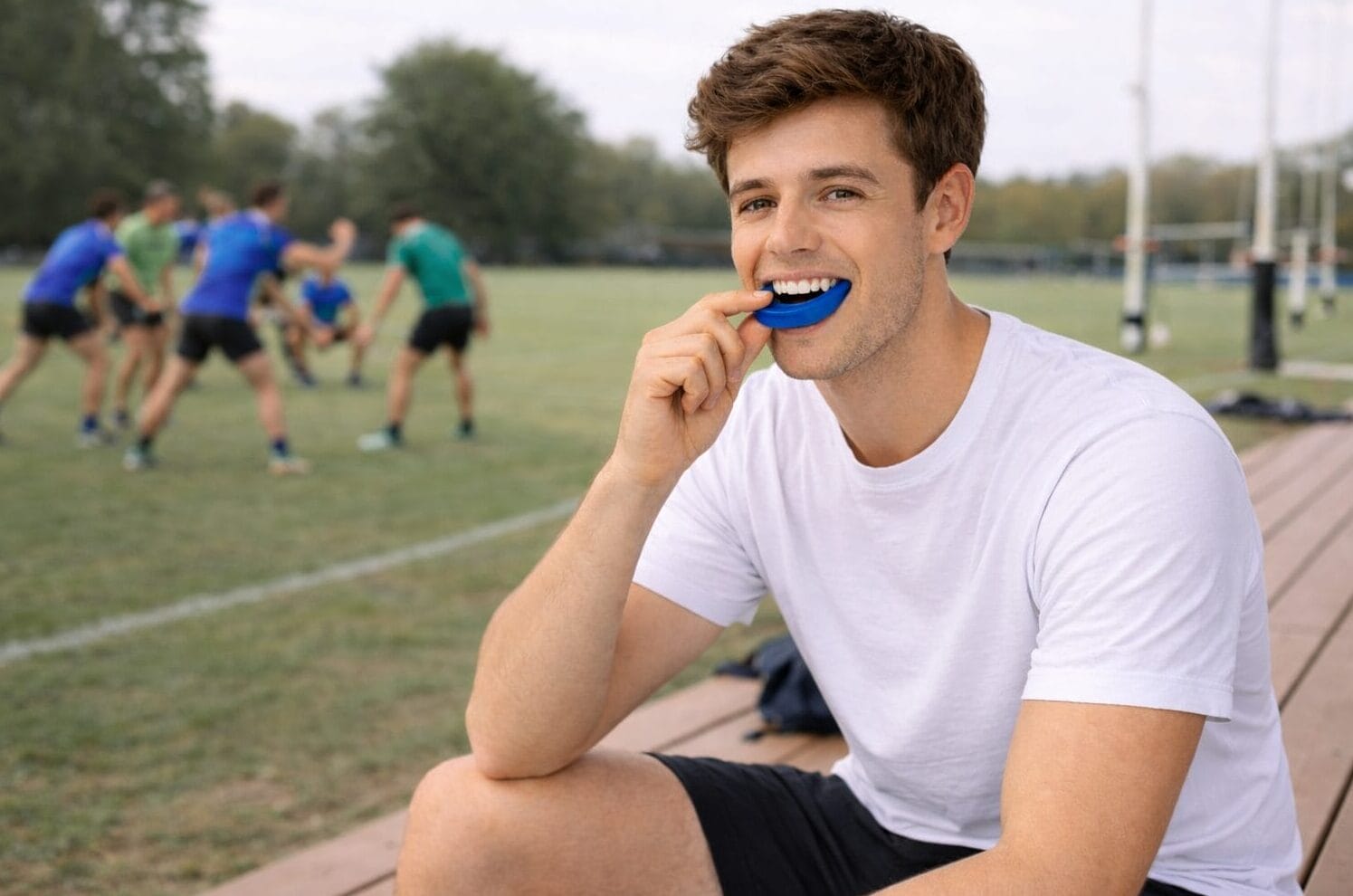
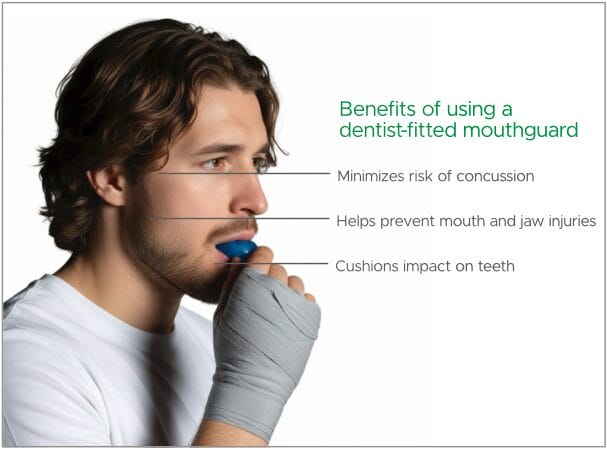
A mouthguard is a protective device worn over the teeth, most commonly during sports or physical activities. It is usually fitted against the upper arch set of teeth and have the main role to reduce the risk of dental injuries, such as broken teeth, cut lips, jaw injuries, or trauma to the soft tissues of the mouth. It acts as a “cushion” to absorb and distribute any force of impact thereby preventing possible dental trauma that may lead to fractured teeth, devitalized teeth (accidental nerve death of the tooth) or worst teeth getting knocked out, adverse soft tissue injuries including cuts to lips cheeks and tongue.
Who Should Wear a Mouthguard?
Since sports and recreational activities are common for many Australians, it could also carry a risk of potential injury, particularly to the teeth, jaw and gums. Dental injuries can happen anytime during sports or active plays and are not limited to be caused by major collisions in competitive high paced matches. Even practice or routine training sessions can still bring about accidental contacts, collisions, accidental blows and falls that can happen all too quickly.
The potential damages to the teeth and surrounding gum areas could be immediate (fractures, broken teeth and jaw) or delayed (devitalized teeth that would require further treatment e.g. Root Canal Treatment). Because of this, protecting the mouth is important for players and sports and active recreational enthusiasts of all ages and skill levels.
Mouthguards are recommended for:
- Adults and children who play contact or collision sports (such as football, rugby, hockey, martial arts, basketball)
- Anyone involved in high-risk recreational activities, including cycling, skateboarding etc
- Children and teenagers with braces (with a suitable design)
Mouthguards for Children and Teenagers
It is common for many children to be engaged in some form of sports activity or active play and accidental collisions do happen. As such they are at risk of receiving these possible injuries to the teeth and associated structures surrounding them.
A properly fitted mouthguard can help protect both baby teeth and emerging adult teeth. Although baby teeth eventually fall out, injury to them can affect the development and alignment of the permanent teeth underneath.
Their jaws and teeth are still developing and protecting them should be a continuous process of regularly assessing and reviewing by the dentist and allied dental professionals if the fit of the mouthguard is still proper or should be replaced especially after a “growth spurt” or after an active phase of shedding of baby teeth and eruption of new permanent teeth. Booking a review with your dental professional can confirm that the fit remains secure and effective throughout the season.
Teenagers with braces also engage in contact sports and high impact recreational activities and their teeth should be protected too especially with the on-going fixed wire orthodontic treatment that they are currently receiving. They are also vulnerable to injuries as discussed above as well as damage to the braces they currently have. A dentist-fitted mouthguard can be designed to work around orthodontic appliances while still protecting the teeth and soft tissues of the mouth.
Mouthguards for Adults
Sports and recreational activities can still be beneficial to be part of an adult’s balanced lifestyle. Whether it be engaging in social or competitive activities, wearing a properly fitted mouthguard remains an important part of protecting the teeth from potential injuries, especially so, because damage to adult teeth can be more complex as adult teeth do not grow back and may require more extensive treatments such as replacement of existing dental work, new crowns and bridges, root canal treatments and or implants, if any. Depending on the intensity of the sport or recreational activity, a properly designed mouthguard can be provided by your dental professional.
Why Custom-Made Mouthguard Matter
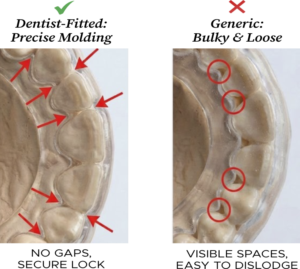
There are different types of mouthguards that are available for contact sports and can be bought online. Store-bought options are widely available because of their lower upfront cost, but it has its limitations as it is not designed for one individual mouth. As such, fit, comfort and protection may be guarded as well as limited.
A dentist-fitted mouthguard, on the other hand, is moulded from YOUR teeth, and is designed specifically to fit an individual’s mouth and conforms to the individual’s bite. It is more comfortable and durable and can provide the protection that the mouthguard is designed for.
Looking After Your Mouthguard
Proper care helps a mouthguard last longer and work as intended. After use, it should be rinsed with cold water and allowed to air-dry completely. The internal fitting surface of the mouthguard should also be properly brushed to remove any residual saliva slime layer that may be nestled on the surfaces and concavities on the inside of the mouthguard.
Occasionally, denture cleansing tablets could be used as adjunct soaks for these appliances, although, mechanical cleansing such as washing and brushing the appliance is the most important hygiene maintenance procedure for these appliances. When not in use, it should then be stored in a ventilated container to prevent any moisture build-up.
Heat should be avoided, as it can warp the material and change the fit. Mouthguards should not be left in hot cars or placed near heaters or direct sunlight, nor be soaked in hot water to clean it.
A mouthguard be replaced if they become cracked, torn, loose, thinned out, or if there have been changes to the teeth, such as dental work or orthodontic treatment. If the fit is already uncomfortable, then, a new one should be made so that the mouthguard would fit properly and provide the protection of the teeth as intended.
Frequently Asked Questions
Do mouthguards prevent all dental injuries?
No. Mouthguards cannot prevent every injury, but they may help reduce the severity of some dental and jaw injuries during contact sport.
Can kids wear mouthguards with braces?
Yes. Mouthguards can be worn by young children, teens and people with braces, but they need to allow for tooth movement and orthodontic appliances. A dental professional can assess whether the fit is appropriate.
Is a mouthguard required for rugby?
Requirements vary by league, age group, and level of play. Mouthguards are commonly recommended in rugby due to the level of contact involved.
How often should a mouthguard be replaced?
This depends on wear, growth, and changes to the teeth. Children may need replacements more often as their mouths grow. Adults should replace mouthguards if they become damaged or no longer fit properly.
For anyone participating in contact sports, protection of your teeth and jaw is essential. A properly fitted appliance of mouthguard and occlusal splint is an investment to protect your oral health and smile as early prevention can save discomfort, dental damage, and possible costly treatments in the future.
Let us help to protect your smile – speak to your dentist to schedule an appointment for a custom mouthguard just for you.