





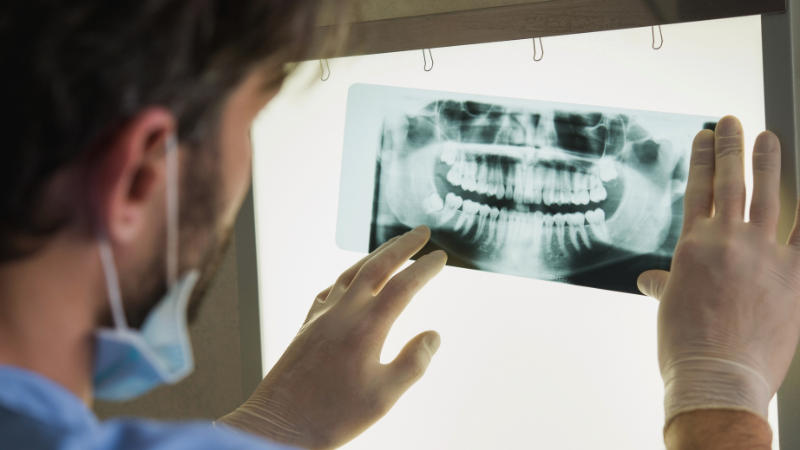
A dental bone graft is a common procedure used to rebuild areas of the jaw where bone has been lost.
Many patients feel unsure when they first hear they may need a bone graft, but it is a well-managed and predictable treatment. It helps create a strong foundation for dental implants and supports long-term oral health.
At No Gaps Dental, we perform bone grafting regularly for patients preparing for implants or those who have experienced bone loss after tooth removal. With proper aftercare, the success rate is very high and most patients recover smoothly with minimal discomfort.
Why Bone Loss Happens After Tooth Loss
Healthy teeth provide natural stimulation to the surrounding jawbone each time you bite and chew. This stimulation is essential for keeping the bone strong.
When a tooth is removed, the bone in that area no longer receives these signals and begins to shrink. The most significant bone loss usually happens within the first six to twelve months after the extraction.
Bone resorption (shrinkage) can be even more noticeable in people who have gum disease, because inflammation further accelerates the loss of bone.
Loss of jawbone does not only affect oral health. The teeth and jawbone help support your facial structure, so bone loss over time can lead to subtle changes in your facial profile. If you have noticed changes in your bite, your smile or even the shape of your face, a dental bone graft may help restore structure and strength.
What Is a Dental Bone Graft?
A dental bone graft is a simple procedure used to rebuild and strengthen areas of jawbone that have been lost due to resorption.
During the graft, your dentist places special bone material in the area where extra support is needed. Over time, your natural bone grows into this grafted material, restoring the volume needed to support dental implants or other dental restorations.
We explain the procedure clearly during your consultation so you feel confident and prepared every step of the way.
Types of Bone Grafts Used in Dentistry
Different types of graft materials can be used depending on your oral health, goals and the area being treated. The main options include:
- Autograft: Bone taken from your own body. This is less common and used only in specific situations.
- Allograft: Processed bone from a human donor. This is used less frequently and only when clinically suitable.
- Xenograft: The most commonly used option, typically derived from cow bone. It is safe, predictable and widely recommended for implant-related procedures.
- Alloplast: A fully synthetic material such as calcium silicates. These grafts are often used when patients prefer a non-biological option.
Your dentist will recommend the graft material that best suits your treatment needs and long-term goals.
When Is Bone Grafting Needed?
Bone grafting may be recommended in several situations, including:
- Socket preservation: A graft is placed immediately after tooth removal to maintain the shape of the bone until an implant is ready to be placed.
- Sinus lift: In the upper jaw, the sinus may need to be gently lifted to create space for an implant.
- Ridge augmentation: Used to rebuild and strengthen the jawbone to improve facial aesthetics and support future implants.
If you are planning dental implants or have been missing teeth for some time, a bone graft may help ensure your treatment is stable, predictable and long-lasting.
What to Expect During the Procedure
Most dental bone grafts are performed under local anaesthetic, making the procedure comfortable and stress-free.
Your dentist will make a small incision in the gum and place the graft material in the planned area. A protective membrane is usually positioned over the graft and the site is carefully sutured.
Depending on your needs, the graft may be done at the same time as implant placement or as a separate procedure three to six months beforehand. This decision is guided by 3D X-rays taken during your consultation. We make sure you feel supported throughout the entire process and encourage you to ask questions at any time.
Recovery and Aftercare
Most patients find the recovery from a bone graft simple and manageable.
What to expect during healing:
- Mild tenderness for the first few days.
- Occasional swelling, which usually settles within a week.
- Antibiotics and pain relief may be prescribed if needed.
- A review appointment two weeks later to check healing.
- Natural bone gradually grows into the graft (osseointegration) over up to six months.
Important aftercare instructions:
- Eat soft foods such as smoothies for the first few days, then gradually return to normal eating.
- Use gentle warm salt water rinses or recommended mouthwash after 24 hours.
- Avoid exercise for the first 24 hours.
- Avoid smoking or vaping as these significantly slow healing.
Following these instructions is essential for the long-term success of the graft. If at any stage you have concerns, our team is only a phone call away.
Book a Dental Bone Grafting Consultation at No Gaps Dental
If you have missing teeth, are planning dental implants or have been told your jawbone is not strong enough, a consultation at No Gaps Dental can help you understand your options clearly and confidently.
We will assess your bone level, explain the recommended treatment and answer any questions you may have.
Book an appointment with No Gaps Dental today to learn whether bone grafting is right for you and take the first step toward restoring your smile.