






Do you wake up with jaw pain or headaches? Have you noticed your teeth looking worn down? You might be grinding or clenching your teeth without even knowing it. A custom-fitted night guard, also called a dental splint, could help protect your teeth and reduce discomfort.1
Many people grind their teeth at night, a condition called bruxism. Over time, this can damage your teeth and cause pain in your jaw. A properly fitted night guard acts as a protective barrier between your upper and lower teeth and can help your jaw muscles relax.2
What Is a Dental Splint (Night Guard)?
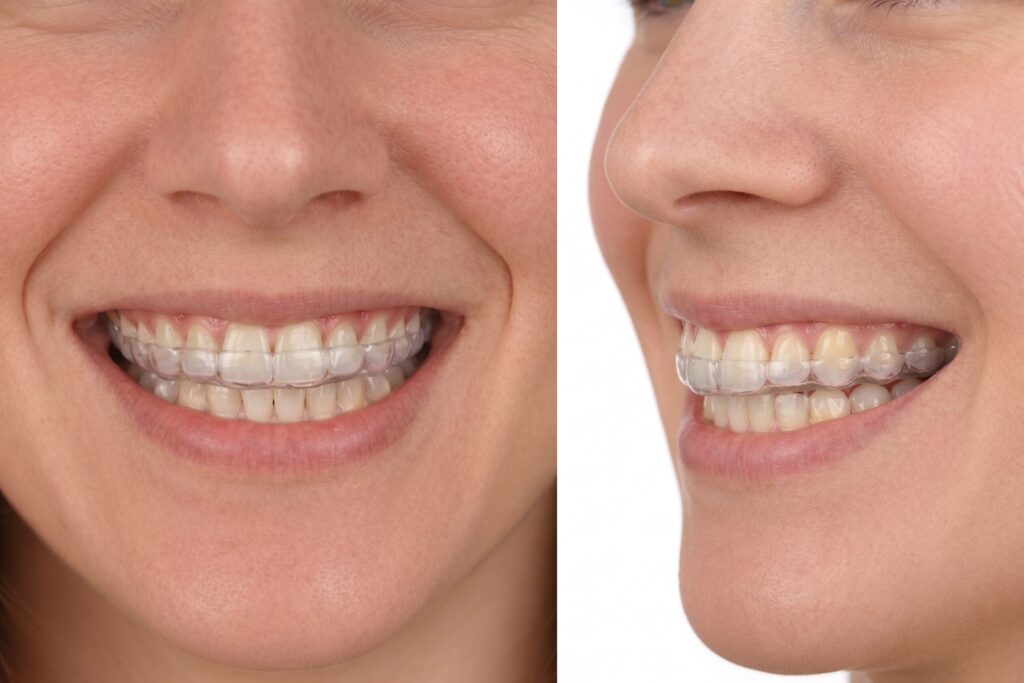
A dental splint, more commonly known as a night guard, is a removable device that fits over your teeth, usually worn at night while you sleep. It’s also called an occlusal splint, mouth guard or bite splint. Think of it as a protective cover for your teeth.1
Night guards are typically made from hard acrylic or resin material. The first step to getting a night guard is to visit your dentist, so they can take an accurate impression or digital scan of your teeth. It is important that the night guard fits your teeth closely so that it works properly and feels comfortable.3

Why Do People Need Night Guards?
There are several reasons why a dentist might recommend a night guard:
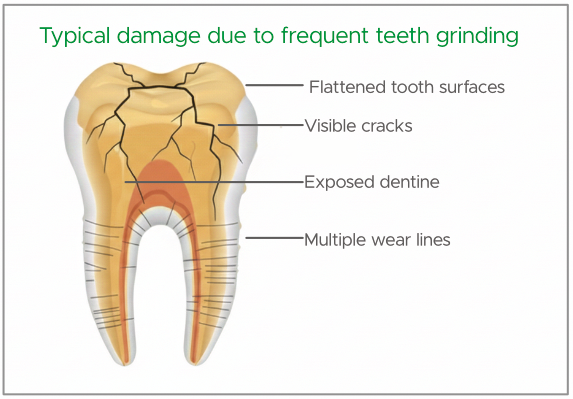
Teeth Grinding and Clenching (Bruxism): This is the most common reason. Many people grind or clench their teeth during sleep without realising it. This puts a lot of pressure on your teeth and can cause them to wear down, chip or crack, and may lead to tooth sensitivity.1, 2
Jaw Pain and TMJ Disorders: The temporomandibular joint (TMJ) connects your jaw to your skull. When this joint isn’t working properly, it can cause pain when you chew, speak or open your mouth. A night guard helps by reducing pressure on the joint, guiding your jaw into a more relaxed position and allowing your jaw muscles to rest.2
Protecting Teeth and Dental Work: If you’ve had dental work like crowns, bridges or veneers, a night guard can protect these restorations from damage caused by grinding or clenching.2
How Does a Night Guard Work?
A night guard creates a physical barrier between your upper and lower teeth. This prevents them from grinding directly against each other during the night and helps spread biting forces more evenly.2
The night guard also helps by:
- Distributing the force of biting and grinding more evenly across your teeth.2
- Helping your jaw rest in a more natural, relaxed position.2
- Reducing the activity of your jaw muscles during sleep.2
- Protecting tooth enamel and dental work from wearing down or chipping.2
It’s important to understand that a night guard doesn’t stop you from grinding or clenching your teeth, but it does protect your teeth and jaw from the damage that grinding causes.2
Types of Night Guards (Dental Splints)
There are different types of night guards used for different purposes:
Stabilisation Splints: These are the most common type. They cover all the teeth on either the upper or lower arch and have a flat, carefully adjusted surface. They help protect teeth from grinding and can help jaw muscles relax.1
Hard Night Guards: Made from rigid acrylic or resin, these are durable and long-lasting. They’re the most common type recommended by dentists for ongoing bruxism.2
Soft Night Guards: Made from softer, more flexible material. These are less common for long-term use because they don’t distribute force as well as hard night guards and can sometimes make grinding worse.1
Why See a Dentist for a Night Guard?
A dentist-fitted night guard custom made for you has important advantages:
Better Fit: A dentist takes an impression or scan of your teeth to create a night guard that fits your mouth exactly. This makes it more comfortable to wear and more effective at protecting your teeth.1, 2
Proper Function: Shop-bought guards often don’t balance the forces in your jaw properly. A poorly fitting guard can sometimes make problems worse, cause your teeth to shift position or put extra strain on your jaw joint.2
Professional Assessment: A dentist will examine your teeth, gums and jaw to understand what’s causing your grinding or jaw pain. They can then design a night guard specifically for your needs and advise on other helpful treatments.2
Follow-Up Care: When you get a night guard from a dentist, they’ll adjust it to make sure it fits properly and feels comfortable. They’ll also monitor your progress over time and make any necessary changes.1
What to Expect When Getting a Night Guard
Getting a night guard from your dentist usually takes two appointments, although new in-house 3D printing technology can shorten the timeline at some clinics.1, 3
First Appointment: Your dentist will examine your teeth and jaw and ask about any symptoms, such as morning headaches, tooth wear or jaw clicking. They’ll take impressions or digital scans of your teeth, which are used to create your custom night guard in a dental laboratory or with advanced 3D printing systems.2
At No Gaps Dental Bondi Junction, SprintRay 3D printing technology allows many night guards to be produced significantly faster than traditional lab-made splints, meaning your guard can often be ready in a much shorter timeframe than before.3
Second Appointment: You’ll try on your night guard to make sure it fits properly. Your dentist will adjust it if needed and show you how to insert, remove and care for it.2
Most people wear their night guard only at night, but your dentist will advise you on the best wearing schedule for your situation. Book an appointment with your dentist to discuss the best option for you and whether a faster 3D-printed night guard is suitable.3
Caring for Your Night Guard
Taking care of your night guard helps it last longer and keeps it hygienic:
Clean daily: Brush your night guard gently with a soft toothbrush and mild soap. Don’t use regular toothpaste as it can scratch the surface and make it more prone to plaque build-up.3
Rinse after use: Rinse your night guard with cool water after removing it and before putting it back in its case. Avoid hot water, as this can warp the material.3
Store properly: Keep your night guard in its protective case when not wearing it. Don’t leave it where it can get damaged, chewed by pets or exposed to heat, such as in a parked car.3
Consider a second night guard: If you travel frequently, a second custom night guard can be a smart backup – a bit like having a second pair of glasses, so you can sleep comfortably whether you’re at home, staying overnight with family or on a work trip, and you’re less likely to be caught out if one guard is lost or damaged while you’re away.2
Bring to check-ups: Take your night guard to your dental appointments so your dentist can check it’s still fitting properly and not too worn.1
Signs You Might Need a Night Guard
You might benefit from a night guard if you experience:
- Waking up with jaw pain, stiffness or headaches.2
- Your partner tells you they hear grinding or clenching noises while you sleep.2
- Your teeth look worn, chipped, flattened or shorter than they used to be.2
- Tooth sensitivity that can’t be explained by decay or gum recession.3
- Pain or clicking sounds when opening or closing your mouth.2
- Tight or tired jaw muscles, especially in the morning.2
How Long Do Night Guards Last?
The lifespan of a night guard depends on several factors including the material it’s made from, how severely you grind your teeth and how well you look after it. Hard acrylic guards can last several years with proper care.2
Your dentist will check your night guard at regular appointments and let you know when it needs adjusting or replacing. If your guard becomes damaged, loose or uncomfortable, contact your dentist rather than trying to adjust it yourself.2
Other Treatments That May Help
While a night guard is an effective treatment for many people, your dentist might also suggest:
- Stress management techniques, as stress often contributes to teeth grinding.2
- Addressing sleep issues that might be affecting your grinding.2
- Reviewing your medications, as some can increase grinding or muscle activity.2
- Exercises to relax and stretch jaw muscles.2

When to See Your Dentist
A night guard is a straightforward, reversible treatment that can make a real difference to your dental health and quality of sleep. If you’re experiencing symptoms of teeth grinding or jaw problems, speak with your dentist about whether a custom-fitted night guard is right for you.1, 2
If you think you might be grinding your teeth or have jaw pain, it’s important to see your dentist. They can properly assess your situation and recommend the best treatment based on your teeth, jaw joints and lifestyle.2
Early treatment can help prevent more serious problems from developing and may reduce pain and morning discomfort. Don’t wait until your teeth are significantly damaged or your pain becomes severe.2
Important Information
All dental procedures carry risks. A clinical assessment is required to determine whether a night guard (dental splint) is suitable for your individual circumstances. Any surgical or invasive procedure carries risks. Before proceeding, you should seek a second opinion from an appropriately qualified health practitioner.1
This article includes clinical insights from Dr Pawan Bir Nijjar of No Gaps Dental Parramatta and Penrith clinics.
Sources:
2. https://www.mayoclinic.org/diseases-conditions/bruxism/diagnosis-treatment/drc-20356100