

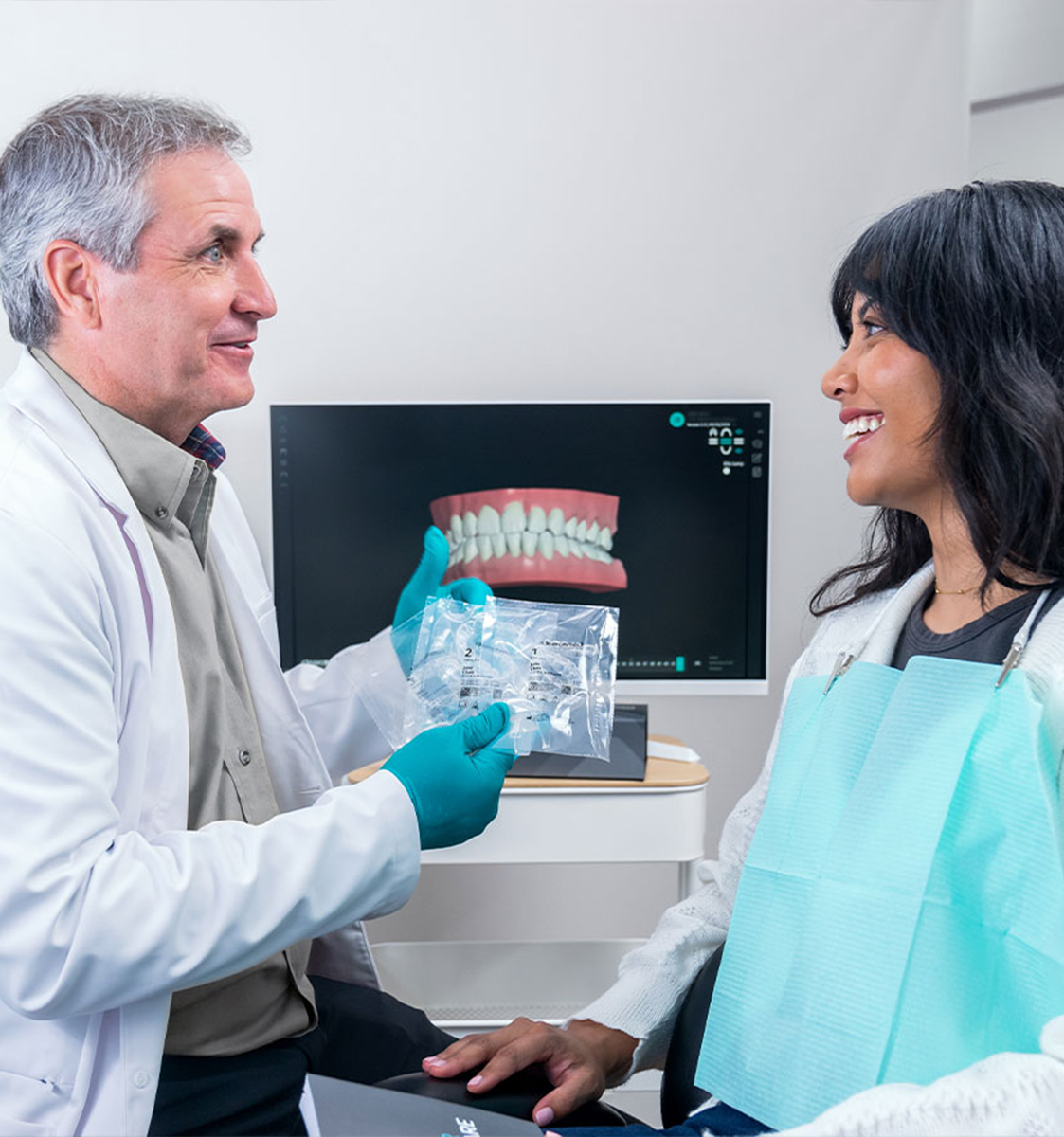



Chipped a tooth? Small chips can often be repaired in a single visit with composite bonding, while larger chips may need a veneer or a crown. The right option depends on how much of the tooth is affected, and only an examination can confirm that.
A chip isn’t only a cosmetic concern. Enamel can’t grow back, and a sharp or open edge can leave the tooth more exposed to further wear and decay. If you’ve chipped a tooth, book an assessment with No Gaps Dental so your dentist can check the tooth and talk you through your options.
This guide covers what causes a chipped tooth, how each repair option works, typical Sydney costs and what to do before your appointment.
What Is a Chipped Tooth?
A chipped tooth is when a small piece of the tooth breaks away, usually from the biting edge or a corner. Most chips involve the outer enamel layer, but deeper chips can reach the dentine underneath, and larger breaks can come close to the nerve (pulp).
The Australian Dental Association advises that after any type of tooth injury, “it is best to visit your dentist as soon as possible”, and to bring any broken piece you can find, as it may sometimes be reattached.¹
Enamel is the hardest substance in the body, rating around 5 on the Mohs hardness scale – harder than steel.² “Enamel is very hard, but it’s also brittle,” explains Dr Pawan Bir Nijjar from No Gaps Dental Penrith and Parramatta. “Acid from food and drinks, decay and grinding can all weaken it over time, so a tooth can chip from something as ordinary as biting down on a hard lolly. And because enamel contains no living cells, it can’t grow back once it’s lost.”
Common Causes of a Chipped Tooth
Most chips happen when force meets a tooth that has already been weakened. Common causes include:
- Knocks and falls – sport, falls and accidents are a common cause of dental injury.³
- Biting hard things – ice, nuts, hard lollies, or using your teeth to open packets and bottle lids
- Clenching or grinding (bruxism) – constant pressure, often at night, can wear and weaken enamel
- Decay or large, ageing fillings – these leave less natural tooth to absorb biting forces
You can lower your risk by keeping hard foods and objects away from your teeth, never using your teeth as tools, and asking your dentist about grinding if you wake with a sore jaw. For contact sport, the ADA recommends a custom-made mouthguard, worn at both training and games.¹
Treatment Options for Chipped Tooth Repair
Your dentist will recommend a repair based on the size of the chip, where the tooth sits in your mouth and how much healthy tooth remains. The three most common options are composite bonding, veneers and crowns.
Composite Bonding
Composite bonding is commonly used for small chips, including a slightly chipped front tooth. Your dentist applies tooth-coloured resin in thin layers, hardens each layer with a curing light, then shapes and polishes it to match the surrounding teeth. Your bite is checked before you leave.
Bonding is usually completed in one appointment and often needs little or no removal of natural tooth. It typically lasts around 3 to 10 years, depending on the size of the repair and how well it’s cared for.⁴ Learn more about cosmetic dentistry options.
Dental Veneers
For larger chips on front teeth where the tooth is otherwise healthy, your dentist may suggest a veneer. A veneer is a thin porcelain or composite shell bonded to the front surface of the tooth.
Porcelain veneers usually take two visits. Your dentist first checks the tooth (often with an X-ray), removes a thin layer of enamel and takes a scan or impression. A dental lab then makes the veneer, which is bonded in place at your second appointment. Porcelain veneers can last many years with good care, although they may need replacing over time.
Dental Crowns
When a chip is large, or a tooth has a big filling or has had root canal treatment, a dental crown may be recommended. Unlike a veneer, which covers only the front surface, a crown covers the whole visible part of the tooth to help protect what remains.
“If a chip has taken away a lot of the tooth, or it’s a back tooth that takes heavy chewing forces, a crown is often the more practical choice,” says Dr Pawan. “It holds the remaining tooth together rather than just covering the front.”
Crowns can be made from several materials, including porcelain, zirconia and metal. Selected No Gaps Dental clinics offer CEREC crowns, which are designed and made in the clinic, often in a single visit. Read more about the dental crown procedure and crown types and materials.
How Much Does Chipped Tooth Repair Cost?
In Sydney, chipped tooth repair typically costs from around $150 for simple bonding to $3,000 or more for a crown, per tooth. Your cost depends on:
- The size of the chip and how much tooth is affected
- Which tooth is chipped (front teeth and molars are repaired differently)
- The type of repair recommended, and whether extra treatment such as root canal therapy is needed
- Your private health insurance cover and any payment plan you choose
| Treatment | Typical Sydney price (AUD, per tooth) | Typically suited to |
|---|---|---|
| Composite bonding | $150–$650 | Small chips on front or back teeth |
| Dental veneer | $1,200–$2,500 | Larger chips on front teeth with no major structural damage |
| Dental crown | $1,500–$3,000+ | Large chips, heavily filled or root-treated teeth, back teeth under heavy chewing load |
Guide only – November 2026. Prices vary between practices and do not include root canal therapy or other treatment that may be needed.
No Gaps Dental offers the No Gap Guarantee (conditions apply), and Fund My Dental payment plans to spread the cost. The only way to know your actual cost is an examination, so book an assessment and your dentist will give you a written treatment plan and quote.
When Should You See a Dentist for a Chipped Tooth?
Book in as soon as you can, even if the chip is small and doesn’t hurt. An untreated chip may wear further or let bacteria reach the inner layers of the tooth, which can lead to more involved treatment such as root canal therapy or, in some cases, extraction.
See a dentist urgently if the tooth is very painful, the break is large or an adult tooth has been knocked out. If the injury also involves trouble breathing, talking or swallowing, heavy bleeding or a very swollen mouth or tongue, call 000 or go to your nearest hospital emergency department.³ For urgent dental care, see our emergency dentist page.
How to Care for a Chipped Tooth Before Your Appointment
While you wait to see your dentist, these simple steps can help keep you comfortable:
Rinse with warm salt water. Mix 1 teaspoon of salt into a cup of warm water and rinse after meals to help keep the area clean.
Use a cold compress. If your face or gums are swollen, hold a cold pack wrapped in a cloth against your cheek for up to 15 minutes at a time.
Eat carefully. Choose soft foods, avoid very hard or sticky foods, and chew on the other side of your mouth.
Cover sharp edges. Dental wax from a pharmacy can cover a jagged edge to protect your tongue and cheek. If you need pain relief, ask your pharmacist what’s suitable for you.
Chipped Tooth Repair at No Gaps Dental
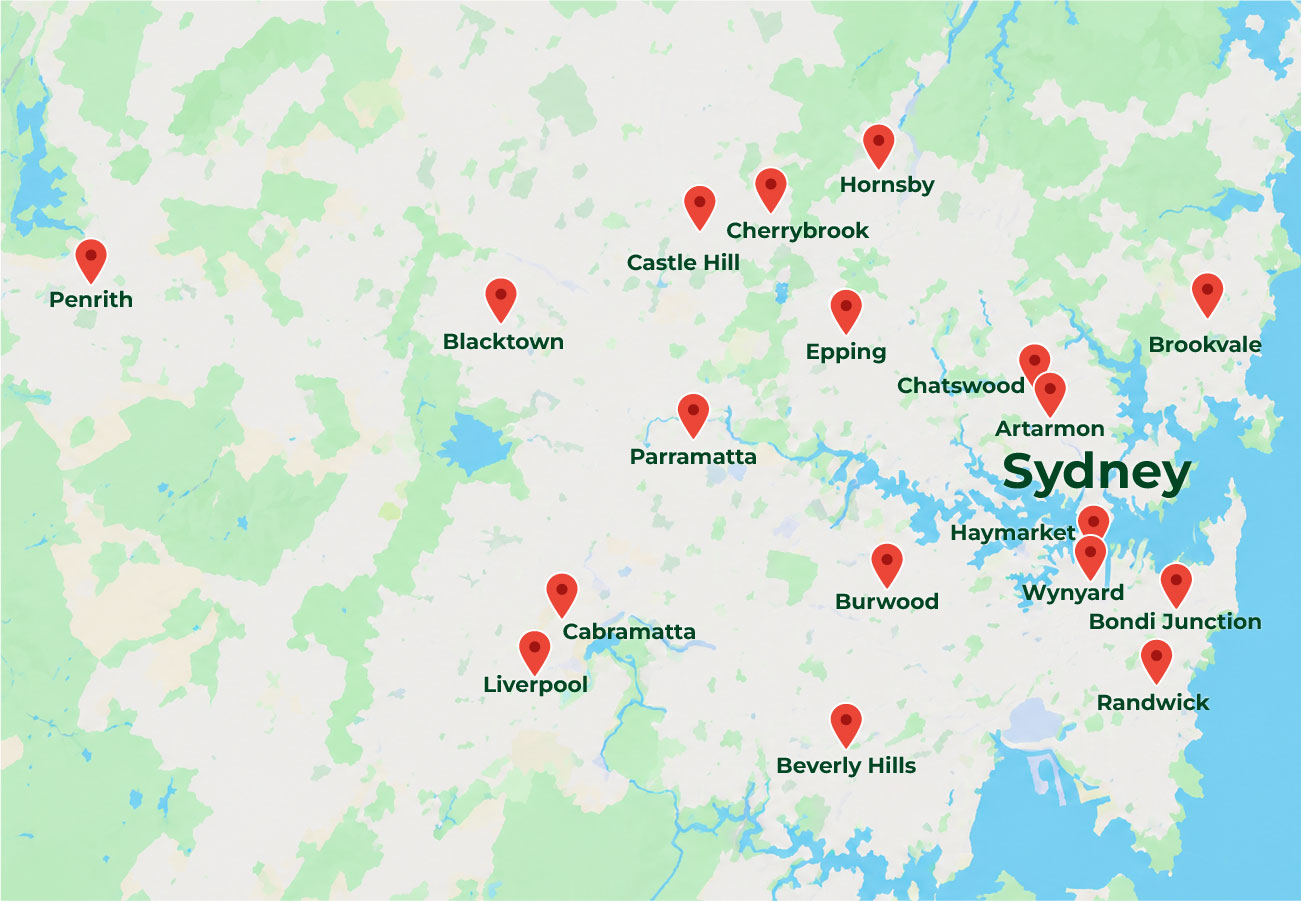
Our dentists repair chipped teeth across all 18 No Gaps Dental clinics in Sydney, with composite bonding, veneers and crowns, including CEREC crowns at selected clinics. Dr Pawan sees patients at our Penrith and Parramatta clinics.
“Most people are worried about how the tooth looks, and that’s completely understandable,” says Dr Pawan. “My first job is to check the tooth is healthy underneath, then we choose the simplest repair that suits the tooth and the patient.”
Chipped Tooth FAQs
Can a chipped tooth heal on its own?
No. Enamel contains no living cells, so it can’t regrow. A small chip may not need urgent treatment, but your dentist should still check it to see whether it needs repairing.
Is a chipped tooth a dental emergency?
Usually it isn’t, but you should book in as soon as you can. See a dentist urgently if you have severe pain, a large break or a knocked-out adult tooth.
Can a chipped front tooth be repaired in one visit?
Often, yes. Small chips on front teeth are commonly repaired with composite bonding in a single appointment. Porcelain veneers usually need two visits.
Is repairing a chipped molar different from a front tooth?
Often. Molars take heavier chewing forces, so a larger chip on a back tooth is more likely to need a filling, onlay or crown rather than cosmetic bonding.
Important Information
General information only. Whether composite bonding, a veneer, a crown or another treatment is appropriate depends on the condition of the individual tooth and requires an examination. All dental treatments have potential risks and limitations. Before proceeding, you should seek a second opinion from an appropriately qualified health practitioner.
Chipped a tooth? Book an assessment at your nearest No Gaps Dental clinic.
Book online or call (02) 8007 6727