
Dr Rebecca’s Guide to Stress-Free Children’s Dentistry
Children’s dentistry is not just about teeth. It’s about trust.
When I see a child at No Gaps Dental Brookvale, my goal is to help them feel safe, heard, and involved in their visit. Some children walk in curious and chatty. Others are quiet, worried, or unsure what to expect. Both are completely normal.
As a dentist, I believe the way we introduce children to dental care can shape how they feel about their oral health for years to come.
“A good dental visit for a child starts before I even look at their teeth. It starts with helping them feel comfortable in the clinic.”
Why Children’s Dental Visits Matter?
Baby teeth may be small, but they do important work. They help children chew, speak clearly, and hold space for adult teeth as they grow1.
Regular dental check-ups can help us identify early signs of tooth decay, gum irritation, enamel changes, bite concerns or habits that may affect oral development. Tooth decay remains one of the most common oral health concerns for Australian children, so early checks and prevention matter2.
Sometimes parents are surprised by how much we can learn from a simple check-up.
I also use children’s appointments as a chance to build good habits. Brushing, flossing, diet, mouthguards, thumb sucking, dummy use and breathing habits can all play a role in a child’s oral health.
The earlier we can guide families, the easier it often is to prevent small issues from becoming bigger ones.
“Children don’t need a lecture about teeth. They need simple explanations, encouragement and a dental team that works at their pace.”
Helping Children With Dental Anxiety
Dental anxiety in children is very common. It can stem from fear of the unknown, a previous uncomfortable experience, sensory sensitivity, or even hearing adults talk nervously about their own dental visits.
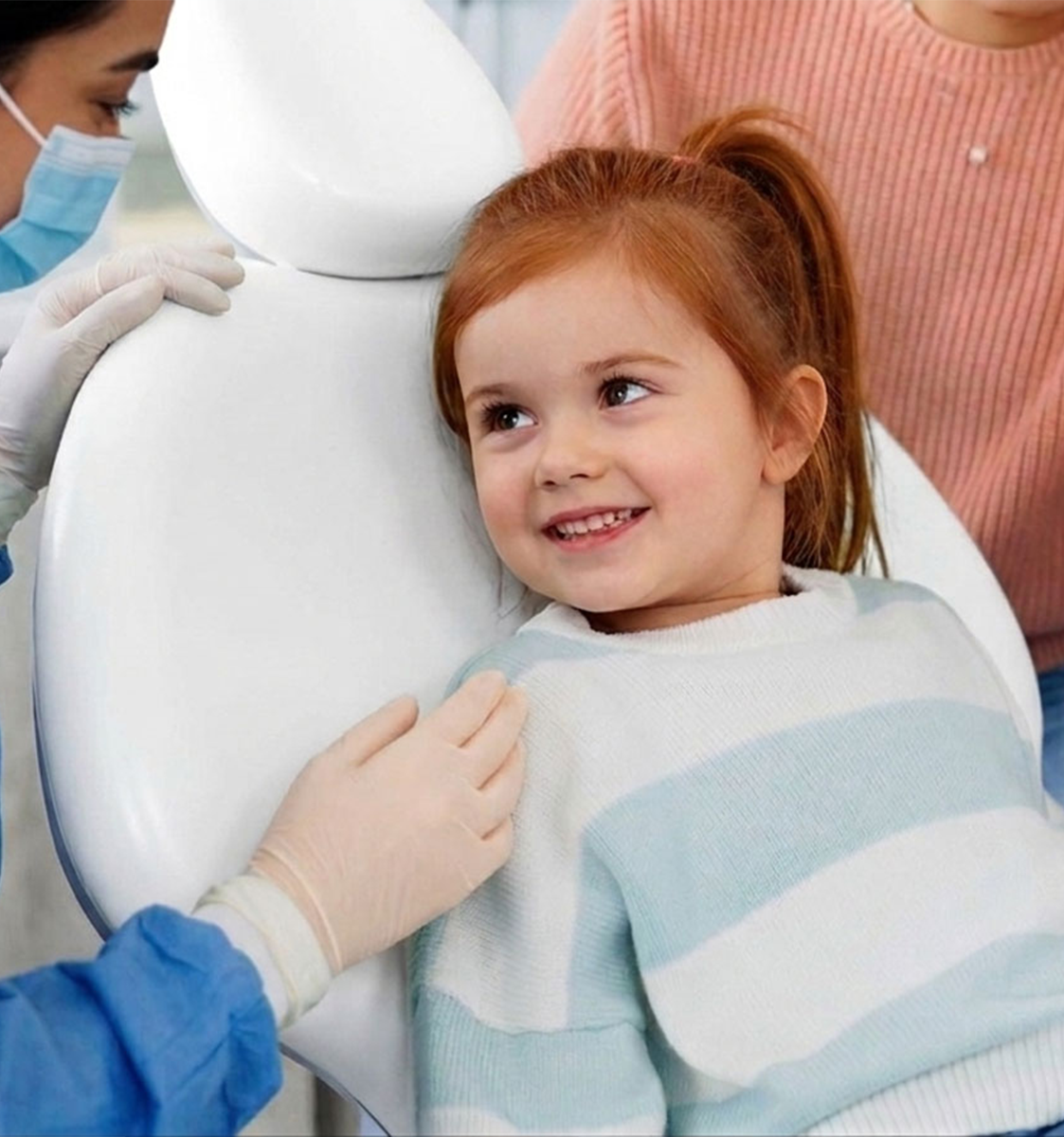
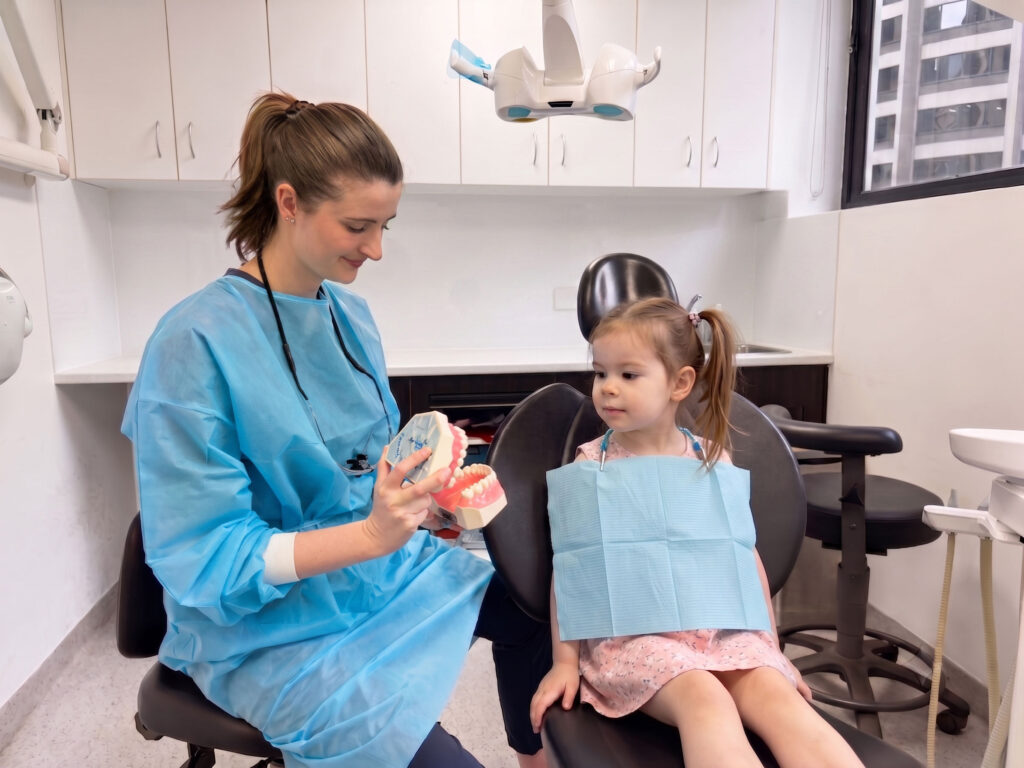
One of the most helpful things a dentist can do is simply slow down. For some children, the first visit may just be about becoming familiar with the chair, the lights, and the sounds. That is still excellent progress.
To make appointments a positive experience, I focus on:
- Calm, age-appropriate language: Avoiding scary words and explaining what will happen before we start.
- Hands-on familiarity: We use “tell show do” technique – letting the child to see, touch and explore simple dental tools, like the mirror or our “tooth counter”.
- Giving children control: Allowing them to raise their hand if they need a break, giving them a small but important sense of ownership over the visit.
- Positive reinforcement: Praising cooperation and curiosity, not just “bravery”.
- Parental partnership: Encouraging parents to stay calm, supportive, and positive throughout the appointment.
Preparing children before a visit can also help. Simple, calm explanations about what to expect may make the appointment feel more familiar and less overwhelming3.
“I use guided imagery to make dental visits more welcoming for kids. I often compare elements of our check up and clean to a familiar trip to the beach! For example, our dental light is sunshine!”
What I Look For As Children Grow
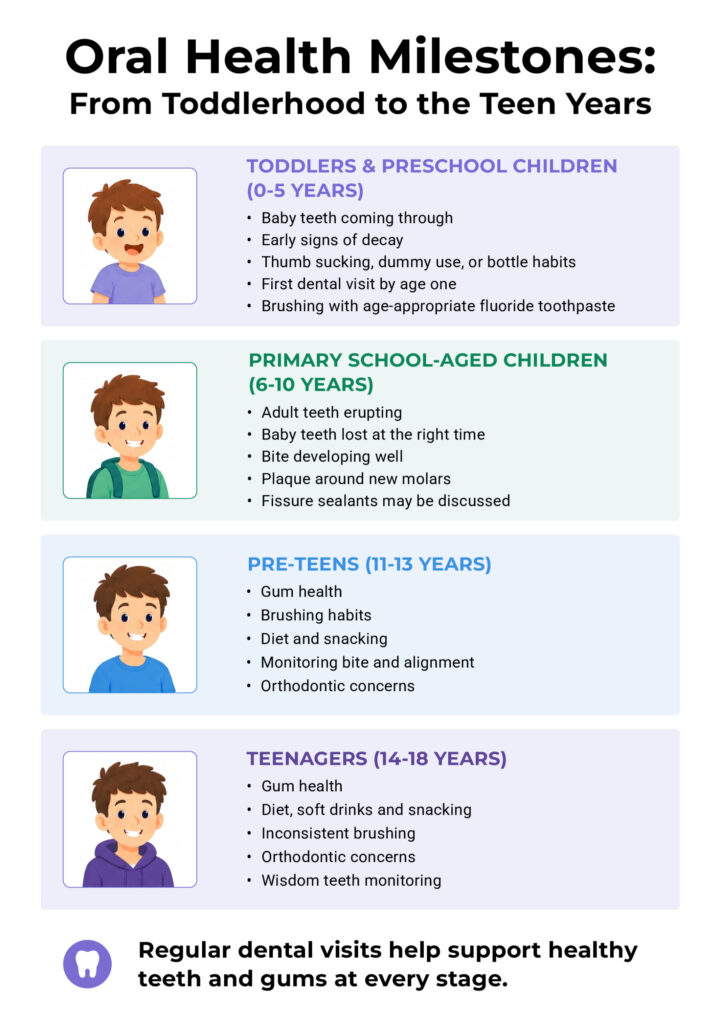
Children’s oral health change. What I look for in a toddler is different from what I look for in a teenager.
Toddlers And Preschool Children
For younger children, I look at how baby teeth are coming through, whether there are early signs of decay, and whether habits such as thumb sucking, dummy use or bottle feeding may be affecting the teeth or bite.
The Australian Dental Association recommends children visit the dentist when their first teeth appear, or by around their first birthday1. At this age, I also spend time with parents. We talk about brushing techniques, age-appropriate fluoride toothpaste, snacks, drinks, and how to make brushing less of a nightly battle.
Primary School-Aged Children
As children get older, adult teeth begin to appear. This is an important stage because the mouth is changing quickly.
I check how adult teeth are erupting, whether baby teeth are being lost at the expected time, and whether the bite is developing in a healthy way. I also look for plaque build-up around new adult molars, because these teeth can be harder for children to clean properly.
Fissure sealants may be discussed for some children. These are thin protective coatings placed in the grooves of back teeth to help reduce the chance of food and bacteria getting trapped.
Pre-Teens And Teenagers
For older children and teenagers, I look more closely at gum health, brushing habits, diet, sports-related risks, and orthodontic concerns.
Teenagers can also be more independent, which is great, but it means dental habits can slip. Soft drinks, energy drinks, frequent snacking, and inconsistent brushing can all affect teeth and gums.
This is also the age when wisdom teeth may start to be monitored, depending on the child’s stage of development.
What Parents Can Do At Home
Parents play a big role in helping children build healthy habits.
For many families, the basics make the biggest difference:
- Brush twice a day with age-appropriate fluoride toothpaste
- Help or supervise brushing until children can do it well on their own
- Keep sugary snacks and drinks as occasional choices
- Encourage water as the main drink
- Book regular dental check-ups
- Ask your dentist if your child needs extra support with brushing, flossing or diet
Good oral health care starts early, and simple daily habits can support children as their teeth and gums develop.
It’s also helpful to keep dental visits positive. Try to avoid using the dentist as a threat, such as “the dentist will be cross if you don’t brush”. Children respond better when dental care feels normal, calm, and supportive.
“My advice to parents is simple: make dental care part of normal family life. The less scary and dramatic it feels, the easier it becomes.”
Looking for a Family Dentist in the Northern Beaches?
At No Gaps Dental Brookvale, we see children at many different stages, from first visits through to teenage dental care.
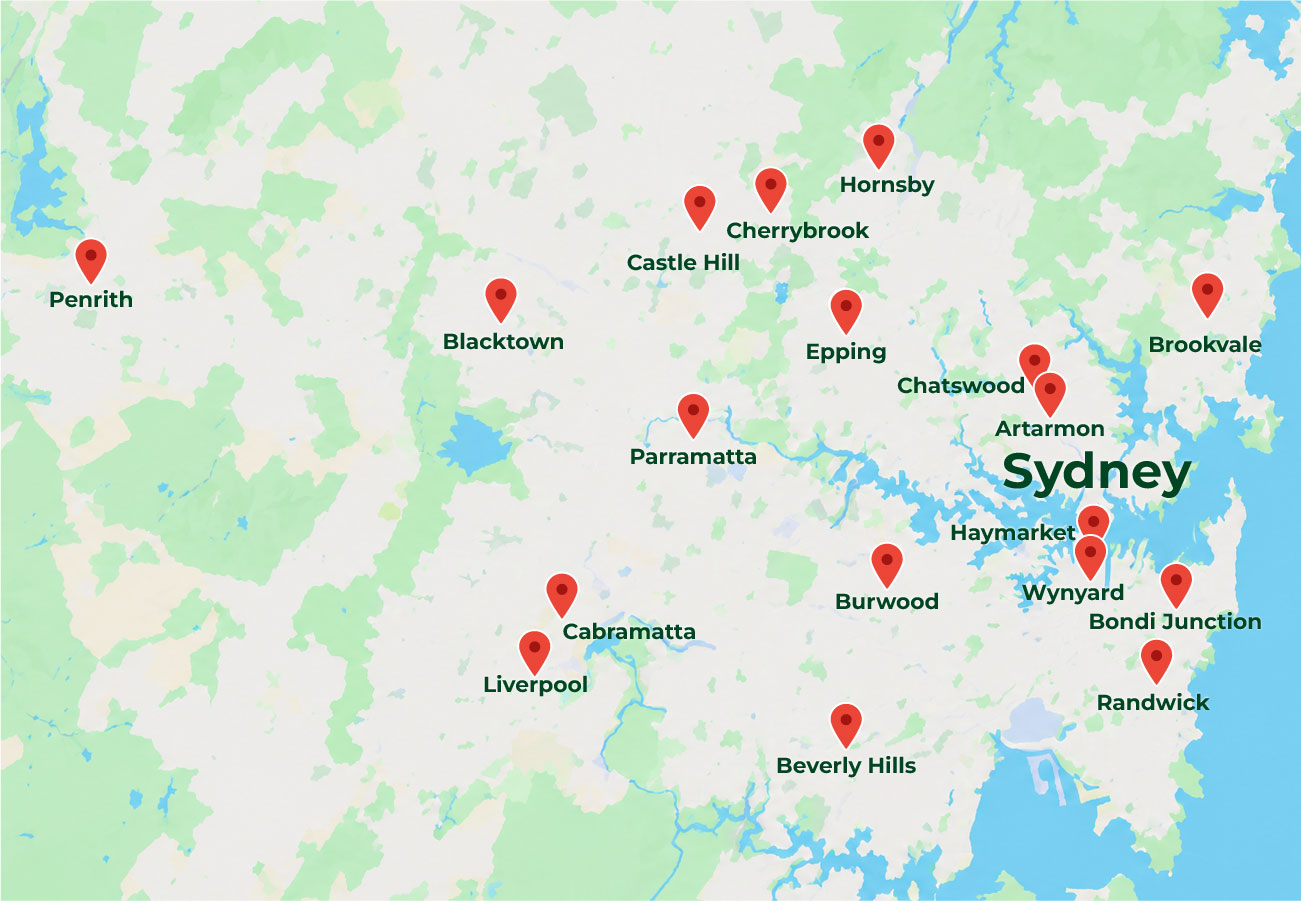
Our clinic is located at Westfield Warringah Mall, making it a convenient option for families in Brookvale and nearby Northern Beaches suburbs. During your child’s visit, we can check their teeth and gums, discuss any concerns, and explain what we recommend in clear, simple language.
Eligible children may be able to access support through the Child Dental Benefits Schedule4, also known as CDBS. This is a Medicare program for eligible children aged 0 to 17 years that can help cover the cost of basic dental services, up to the available benefit cap over two consecutive calendar years.
Eligibility and remaining balance can vary, so our team can help you check what may be available before your child’s appointment.

Book A Children’s Dental Visit at Brookvale
If your child is due for a dental check-up, or you have noticed a concern with their teeth, gums or brushing habits, we’d be happy to help.
Book an appointment with Dr. Rebecca Amerena-Cowie at No Gaps Dental Brookvale and ask our team whether the Child Dental Benefits Schedule may be available for your child.
Your child’s dental visit should feel calm, clear, and supportive from the start.
Book an appointment with No Gaps Dental Brookvale or call our team at (02) 8007 6706 to ask about your next dental check-up.
Sources:
- Australian Dental Association — Baby and Toddler Oral Health
- Australian Institute of Health and Welfare — Australia’s Children, Dental Health
- Raising Children Network — Going To The Dentist
- Services Australia — Child Dental Benefits Schedule
Important Information
All dental procedures carry risks. A clinical assessment is required to determine whether a periodontal treatment is suitable for your individual circumstances. Any surgical or invasive procedure carries risks. Before proceeding, you should seek a second opinion from an appropriately qualified health practitioner.
This article is written by Dr Rebecca Amerena-Cowie of No Gaps Dental Brookvale, Wynyard – Sydney CBD, and Randwick clinics.