



If you’re missing teeth, you probably want to know one thing: how long until you can eat, speak and smile with confidence again? Every denture is custom made, and making and fitting one usually takes several appointments.1 How long that takes depends on your mouth, the type of denture you need and how many people are involved in making it.
When the same dental prosthetist designs, makes and fits your denture, there are fewer handovers between appointments. Below, our prosthetist Peter Juweinat walks you through each stage, how many visits to expect and how long it takes to feel at home in new dentures. If you’re ready to start, you can book a denture assessment at one of our Sydney clinics.
How Long Do Dentures Take From Start to Finish?
The short answer: if your gums have already healed, a standard full or partial denture usually takes four or five appointments over a few weeks. If you need teeth removed first, the timeline changes. Your clinician may suggest waiting a few months after extractions so your gums can heal before the denture is made, or an immediate denture may be fitted at the same appointment your teeth are removed.2
| Your situation | What happens | Typical timeline |
|---|---|---|
| Gums already healed | Assessment, impressions, bite records, try-in and fitting | A few weeks, across 4–5 appointments |
| Teeth need removing first | Extractions, a healing period, then the standard process | A few months of healing before the denture is made |
| Immediate denture | Made in advance and fitted on the day of your extractions | Same day, with a reline or replacement once healed |
| Adding to an existing acrylic partial | Impression, the new tooth is added, then refitted | Usually quicker than a new denture |
“Most of my patients are surprised that the clinical side is only a handful of short visits,” says Peter. “The time in between is when the denture is actually being built, and that’s the part we can keep moving when it’s all done under one roof.”
Why Seeing a Dental Prosthetist Directly Can Save Time
Dental prosthetists are registered dental practitioners whose practice focuses on removable prostheses such as dentures.3 In a traditional setup, a dentist takes your impressions and sends them to an external dental laboratory, which makes the denture and sends it back. Each handover adds time, and small details can be lost between the person who examines your mouth and the person who makes the denture.
At No Gaps Dental, Peter assesses, designs, makes and fits your denture himself. Because the person taking your impressions is the same person shaping and trimming the denture, many minor adjustments can be made chairside at the same visit, rather than at another appointment the following week. If you need extractions, implants or other treatment first, Peter works with the dentists in the same team, so your plan stays in one place.
“Moving efficiently doesn’t mean rushing. Your comfort, your gum health and an accurate bite always come first.”
– Peter Juweinat, Dental Prosthetist
The 4 Stages of Getting Dentures
Each stage has a clear job to do, and skipping one usually means more adjustments later. Here’s what happens at each visit.
Step 1: Examination and Accurate Impressions (or Digital Scans)
Peter checks your gums, any remaining teeth and your bite, talks you through the types of dentures that suit you and gives you a written quote with item numbers. He then takes impressions, or digital scans where suitable, to capture the exact shape of your gums and palate. A comfortable denture starts with an accurate impression.
Step 2: Bite Registration and Measuring Jaw Alignment
Using wax bite blocks, Peter records how your upper and lower jaws meet, the height of your bite and where your lips naturally sit. These measurements guide the size, shape and position of your new teeth, and they are what allow you to chew evenly and speak naturally.
Step 3: Wax Try-In (Checking Look, Fit and Speech)
Before anything is finalised, your new teeth are set in wax so you can see and feel the denture in your mouth. You can check the shade and shape, test your speech and confirm the bite. “The try-in is your chance to have a say,” Peter explains. “If something doesn’t look or feel right, it’s easy to change in wax. It’s much harder once the denture is finished.” This is why the try-in can’t be skipped if you want teeth that bite evenly.
Step 4: Final Fitting and Same-Day Chairside Adjustments
Your finished denture is fitted, checked for pressure spots and adjusted on the spot where needed. Peter will show you how to put it in, take it out and clean it, and book a review visit to fine-tune the fit once you’ve worn it for a few days.
How Many Appointments Will You Realistically Need?
For a standard full or partial denture, most people need four or five appointments:
- Assessment and impressions
- Bite registration
- Wax try-in
- Final fitting, followed by a review visit
You may need extra visits if you’re having teeth removed first, if your bite needs more work to get right, or if you choose an implant-retained denture, which involves a dentist and a longer healing period. If you’d like a timeline for your own situation, book a denture assessment with Peter and you’ll leave with a clear plan.
How Long Until New Dentures Feel Comfortable?
Expect a settling-in period. New dentures may need slight adjusting in the first week or two while they seat themselves, and your speech may feel different for the first few days.4 Most people take a few months to fully adjust to how new dentures feel.1 A few habits help:
- Start with soft foods cut into small pieces, chewing on both sides
- Read aloud at home to help your speech settle
- Wear and remove your dentures as Peter advises
- Book an adjustment rather than filing or bending the denture yourself
“A sore spot isn’t something you should put up with,” says Peter. “A small adjustment usually takes care of it, and that’s exactly what review appointments are for.”
What About Emergency or Urgent Partial Dentures?
If you’re losing a front tooth or need teeth removed soon, an immediate denture can be made beforehand and fitted on the day of your extraction, so you’re not left with a gap. Because your gums change shape as they heal, an immediate denture usually needs more follow-up appointments and may need to be relined or replaced sooner.2
If you already wear an acrylic partial denture and lose another tooth, it’s often possible to add a tooth to your existing denture rather than starting again. For a guide to what each option involves financially, see our article on denture costs in Sydney.
Personalised Denture Care in Sydney
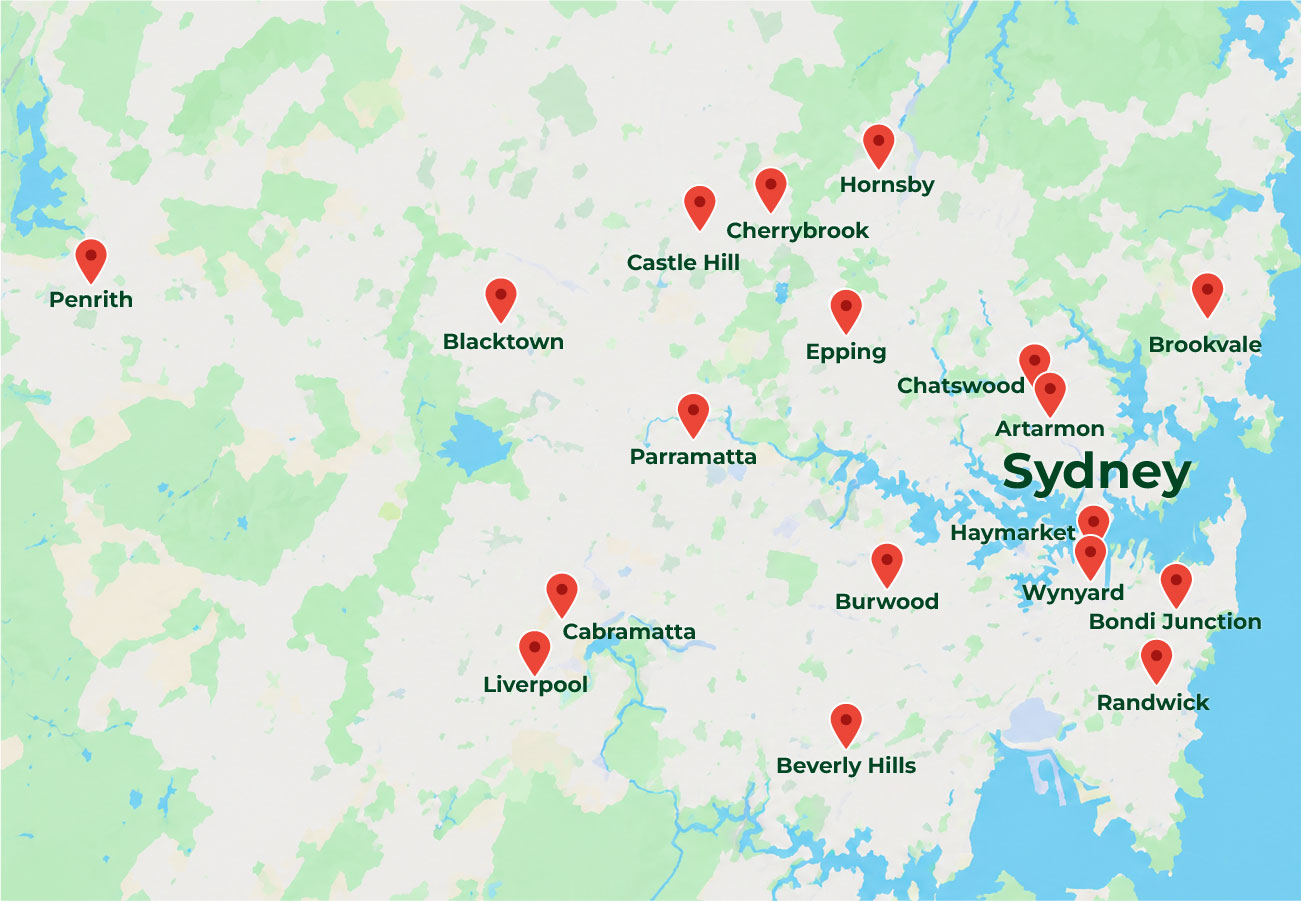
Peter has more than 16 years’ experience in dental prosthetics and consults at No Gaps Dental clinics in Blacktown, Beverly Hills, Cabramatta, Castle Hill, Chatswood, Hornsby, Liverpool, Parramatta and Penrith. He looks after every stage himself, from your first impression to your review visits, and works alongside our dentists when you need extra care. You can learn more on our dentures page, and Fund My Dental payment plans are available to help spread the cost.
Frequently Asked Questions
Can I get dentures in one day?
An immediate denture can be fitted on the same day your teeth are removed, but it’s made in advance from impressions taken at an earlier visit. A conventional custom denture takes several appointments so the fit and bite can be checked at each stage.
Do I need to see a dentist before getting dentures?
Not always. You can book directly with our dental prosthetist for a denture assessment. If you need extractions, gum treatment or implants first, Peter will coordinate your care with a dentist in the same team.
How long after extractions can I get dentures?
It varies from person to person. Your clinician may suggest waiting a few months for your gums to heal before a conventional denture is made, or recommend an immediate denture to wear in the meantime.
Can my old denture be fixed instead of replaced?
Often, yes. Relines, repairs and adding a tooth to an acrylic partial can extend the life of a denture. Peter will let you know at your assessment whether a repair or a new denture makes more sense for you.
Ready to get started?
Book a denture assessment with Peter at a No Gaps Dental clinic near you.
Book Now | Call (02) 8007 6727
Important Information
The information in this article is general in nature and is not a substitute for personalised advice. Time frames vary between patients and depend on your oral health, the type of denture and any treatment needed beforehand. A clinical consultation is required to assess your oral tissue health and suitability before any treatment begins. Any invasive or surgical procedure carries risks. Before proceeding, you should seek a second opinion from an appropriately qualified health practitioner.
Sources
- “Dentures”, Healthdirect Australia. healthdirect.gov.au/dentures
- “Dentures”, Australian Dental Association. teeth.org.au/dentures
- “Guidelines for scope of practice”, Dental Board of Australia. dentalboard.gov.au
- “Dentures”, Queensland Government (Queensland Health). qld.gov.au