

Brushing your teeth is something most of us have done every day since childhood, yet many people still aren’t doing it correctly. The right technique is simple: use a soft-bristled toothbrush held at a 45-degree angle to your gums, and brush in short, gentle circles for two full minutes, twice a day. Getting these basics right, and understanding why they matter, makes a real difference to your oral health. This guide walks you through exactly how to brush your teeth properly, for adults, kids and electric toothbrush users alike.
Why does brushing your teeth properly matter?
Correct tooth brushing isn’t just about a bright smile. It’s about protecting your overall health. When teeth aren’t brushed thoroughly, plaque and bacteria build up, increasing the risk of gum disease, tooth decay and eventually tooth loss. A healthy mouth also plays a role in preventing more serious health problems, including heart disease, stroke and diabetes.
So how do you know if you’re actually brushing correctly? It’s more nuanced than simply moving a toothbrush around your mouth. This guide covers the technique, timing and habits that make brushing genuinely effective, plus how to help kids build good habits early.
When and how often should you brush your teeth?
The Australian Dental Association recommends brushing at least twice a day, for two minutes each time1. This regular rhythm helps keep plaque and bacteria from building up before they can cause damage.
It’s also worth brushing after meals that are acidic, sugary or sticky. However, wait at least 30 minutes after eating before you brush. This gives your enamel time to reharden after acidic foods, so you don’t brush it away while it’s softened.
How to brush your teeth properly: step by step
- Prepare your toothbrush: Wet your toothbrush with water to help lubricate the bristles.
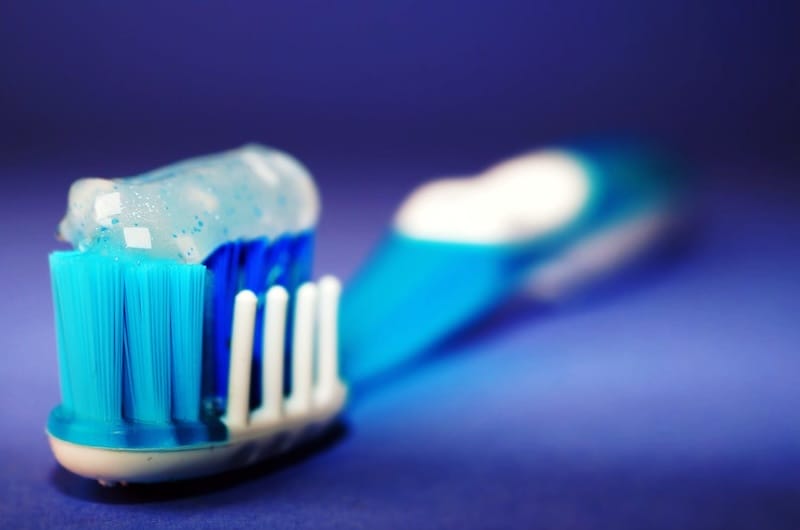
- Apply toothpaste: Squeeze a pea-sized amount of toothpaste onto the bristles.
- Position your toothbrush: Hold your toothbrush at a 45-degree angle to your gums3. Dr. James Fang’s tip: always brush close to the gum line, especially if your gums bleed, since that’s where bacteria like to hide.
- Start brushing: Using short, gentle circles, brush your teeth in movements that are tooth-wide and cover two to three teeth at a time.
- Brush all surfaces: Clean the outer, inner and chewing surfaces of every tooth. Don’t forget the back molars and the surface of your tongue, which harbours bacteria that can cause bad breath.
- Divide and conquer: Mentally divide your mouth into four quadrants and spend about 30 seconds on each, for a full two minutes of brushing.
- Be gentle: Avoid heavy pressure. Brushing too hard can wear down your enamel and damage your gums, and it wears out your toothbrush bristles faster.
- Don’t rinse straight away: Contrary to popular habit, rinsing your mouth immediately after brushing washes away the protective layer of fluoride left behind by your toothpaste2. Simply spit out the excess toothpaste and resist the urge to rinse (it takes some getting used to). Do rinse your toothbrush itself, though, to remove leftover toothpaste and debris.
One more habit worth building in: replace your toothbrush (or electric brush head) every three months, or sooner if the bristles start to fray1. Worn bristles clean less effectively, no matter how good your technique is.
How to brush your teeth with an electric toothbrush
Switching to an electric toothbrush doesn’t change the fundamentals, but there are a few things to keep in mind:
- Let the brush head do the work. Guide it gently along your teeth and gums rather than scrubbing back and forth.
- Use the built-in timer (most run for two minutes) to make sure you’re brushing for the recommended time.
- Avoid pressing hard. Many electric toothbrushes include a pressure sensor to help you apply the right amount of force.
How to make brushing fun for kids
Brushing doesn’t have to be a battle, especially once it becomes part of a routine kids enjoy. A few ways to make it more engaging:
- Play a song: A catchy two-minute song makes brushing time pass quickly and helps ensure they brush for long enough.
- Brush together: Kids often mirror their parents’ habits, so brushing side by side builds the routine and gives them a model to follow.
- Use a timer: Turn brushing into a game by challenging your child to brush until the timer goes off.
- Tell a story: Frame it as fighting off “sugar bugs” hiding in their teeth, or a similar theme that adds imagination to the routine.
- Reward consistency: Praise or a small, non-monetary reward (an extra bedtime story, a bit of extra playtime) helps reinforce the habit.
Teaching kids to brush properly from an early age sets the foundation for a lifetime of good oral health habits.
Quick recap: how to brush your teeth properly
- Brush at least twice a day, for two minutes each time.
- Hold your brush at a 45-degree angle and brush close to the gum line.
- Use short, gentle circles. Never scrub back and forth with heavy pressure.
- Wait 30 minutes after eating before brushing, especially after acidic foods.
- Spit, don’t rinse, so the fluoride in your toothpaste keeps protecting your teeth.
- Replace your toothbrush or brush head every three months.
Take your oral health to the next level
Regular brushing is essential, but it’s only one part of maintaining excellent oral health. This preventive, conservative approach to care, catching small issues early so they don’t turn into something more invasive, is central to how Dr. James Fang and the team at No Gaps Dental treat every patient across our Sydney clinics.
If it’s been a while since your last dental visit, consider scheduling a professional deep clean and scale with No Gaps Dental, Sydney’s original No Gaps dentist. This complements your daily brushing and flossing routine by removing plaque and tartar buildup from areas your toothbrush can’t reach.
Helpful reminder: under our No Gaps Guarantee, eligible health fund holders can have their check-up and clean covered with no out-of-pocket gap. No Gaps Dental works with all Australian private health insurers and accepts their benefits as full payment for eligible general dental treatments, so staying on top of your check-ups could cost you nothing out of pocket, depending on your level of cover and annual limits. Our preventive dentistry examinations can also identify potential problems early, before they escalate into something more costly to treat.
Call our clinic on (02) 8007 6727 to book your appointment for a check-up, clean or deep scale today.
Frequently asked questions
Should you rinse your mouth after brushing your teeth?
It’s best not to rinse straight away. Rinsing with water washes away the protective layer of fluoride left behind by your toothpaste, which otherwise continues working on your teeth after you’ve finished brushing2. Simply spit out the excess toothpaste instead.
How long should you brush your teeth for?
Aim for two minutes per session, twice a day. This gives you enough time to thoroughly clean all tooth surfaces. Try dividing your mouth into four quadrants and spending about 30 seconds on each.
How often should you brush your teeth?
The Australian Dental Association recommends brushing at least twice a day, ideally morning and night, to keep plaque and bacteria from building up between check-ups1.
What’s the correct angle to hold your toothbrush?
Hold your toothbrush at a 45-degree angle to your gums and brush in short, gentle circles3. This angle helps clean along the gum line, where bacteria tend to accumulate.
Should you brush your teeth before or after breakfast?
If breakfast includes acidic or sugary food, wait at least 30 minutes before brushing. Brushing too soon after eating acidic foods can damage enamel that’s been temporarily softened.
Sources: